

News Center
Blog
Unveiling the Future and Challenges of Thermal Management in Industrial and Commercial Energy Storage
Release time:
2025-06-11
Gain deeper insights into the latest developments and technical challenges in thermal management for industrial and commercial energy storage, paving the way for sustainable future growth.
Basic Knowledge of Thermal Management for Industrial and Commercial Energy Storage
In today's era of rapidly advancing technology, Industrial and Commercial Energy Storage Thermal Management It has become a topic of growing concern. Simply put, it refers to optimizing the performance of energy storage devices through an effective thermal management system, ensuring they operate at their peak efficiency. This is crucial for enhancing energy utilization efficiency in both industrial and commercial sectors, especially as we face rising energy demands and increasing environmental challenges.
The Current Status and Challenges of Energy Storage Technologies
Let’s take a look at the current state of energy storage technologies! Nowadays, a variety of energy-storage solutions—such as lithium-ion batteries, flow batteries, and supercapacitors—are emerging one after another. However, these technologies still face significant challenges in thermal management. Especially during the scorching summer months, overheating issues in energy-storage devices can lead to reduced efficiency—or even damage the equipment altogether. Oh, it’s truly frustrating!
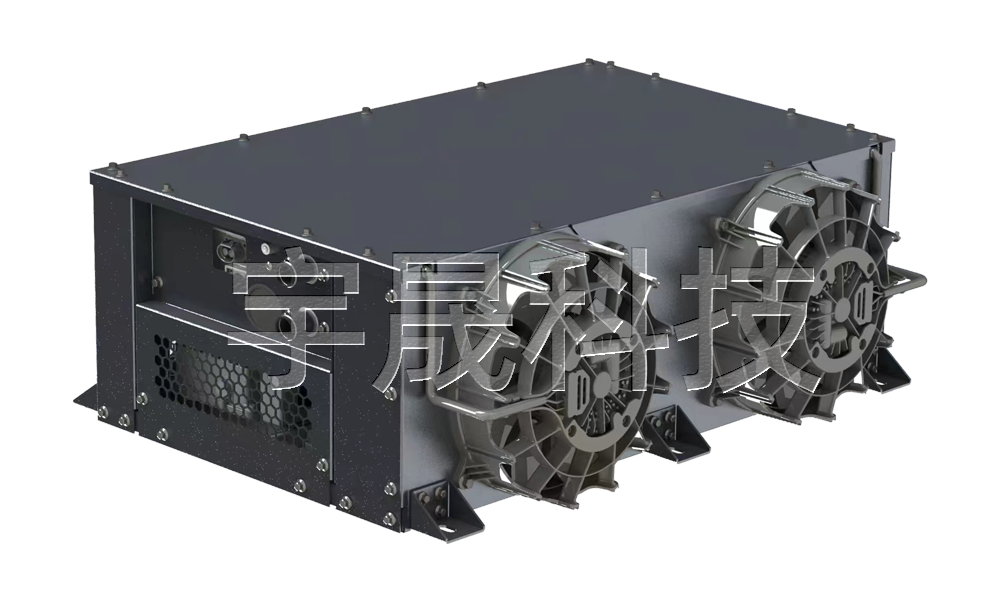
The Role of the Thermal Management System
So, what exactly does the thermal management system do? By monitoring and regulating the temperature of energy storage devices, it ensures that the equipment operates within a safe temperature range, thereby extending its lifespan. Moreover, an efficient thermal management system can also enhance energy conversion efficiency and reduce operational costs. Truly, it’s a win-win solution!
The Trend of Intelligent Thermal Management
Under the wave of intelligentization, thermal management systems are also evolving toward smarter solutions. By leveraging Internet of Things (IoT) technology, we can monitor temperature changes in energy storage devices in real time. Combined with big data analytics, this enables us to predict potential overheating risks and take timely preventive measures. Such intelligent thermal management not only enhances safety but also maximizes energy efficiency—truly promising for the future!
Applications of Thermal Management in Industrial and Commercial Energy Storage
When it comes to application examples, let’s take a look at a few success stories. A major manufacturing company, by implementing an advanced thermal management system, achieved precise temperature control for its energy storage devices, resulting in a 30% reduction in energy costs. Meanwhile, several new energy companies have enhanced the efficiency of battery charging and discharging through optimized thermal management technologies, boosting their market competitiveness. These are truly inspiring models worth learning from!
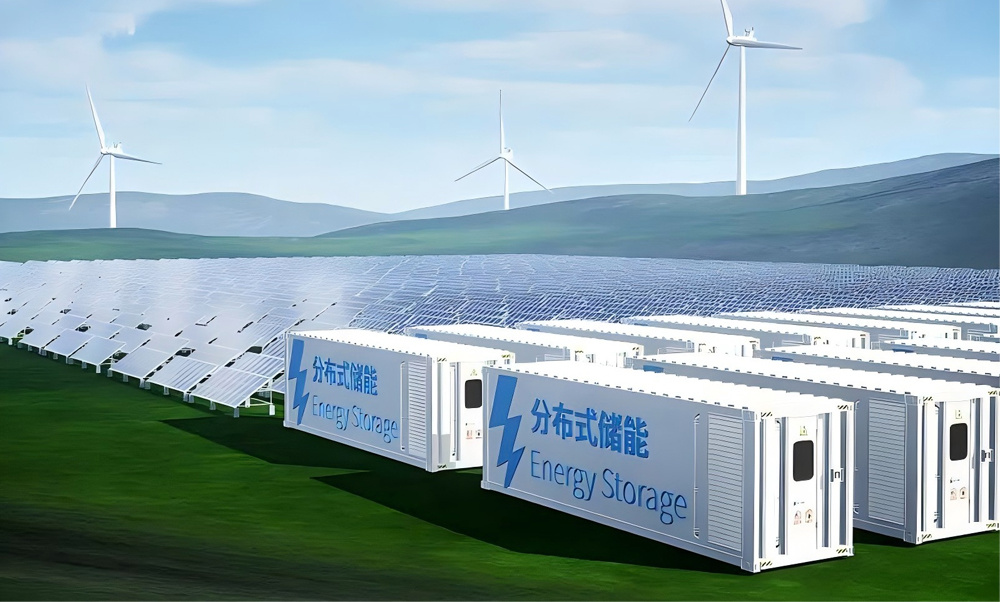
Future Development Outlook
Looking ahead, thermal management for industrial and commercial energy storage will continue to evolve toward greater efficiency and智能化 (intelligent) solutions. As technology advances relentlessly, new materials and innovations are constantly emerging, paving the way for future energy storage systems that are not only safer but also more efficient. Just imagine: if we could widely adopt such thermal management systems across every industrial and commercial setting, the positive impact on society's sustainable development would be truly transformative!
Conclusion
In summary, thermal management for industrial and commercial energy storage is not only a technological challenge but also a crucial component in driving sustainable development. Through continuous innovation and optimization, we can confidently expect that the future of industry and commerce will be greener, smarter, and more efficient. Let’s look forward to that bright future together!
Latest News