

News Center
Blog
Optimization and Application of Thermal Management Systems for Industrial and Commercial Energy Storage
Release time:
2025-06-10
Industrial and commercial energy storage, as a critical support for the energy transition, is now witnessing unprecedented growth opportunities. However, the heat generated during the charging and discharging processes of energy storage equipment—unless managed promptly and effectively—can directly impact the system's efficiency, lifespan, and safety. As a result, optimizing and deploying thermal management systems for industrial and commercial energy storage has become a key focus within the industry.
Industrial and commercial energy storage, as a critical support for the energy transition, is now witnessing unprecedented growth opportunities. However, the heat generated by energy storage devices during charging and discharging—unless managed promptly and effectively—can directly impact the system's efficiency, lifespan, and safety. Therefore, Industrial and Commercial Energy Storage Thermal Management The optimization and application of the system have become the industry's primary focus.
The Importance of Thermal Management Systems for Industrial and Commercial Energy Storage
When industrial and commercial energy storage systems are operating, core components such as batteries and power devices generate significant amounts of heat. Excessively high temperatures can accelerate battery aging, reducing both battery capacity and charge-discharge efficiency—and even triggering safety hazards like thermal runaway. Conversely, temperatures that are too low can impair battery activity, increasing internal resistance and disrupting the normal operation of the energy storage system. Moreover, uneven temperature distribution within the storage equipment can lead to performance disparities among individual battery cells, ultimately shortening the overall lifespan of the system. On the other hand, an efficient thermal management system, by precisely controlling temperature levels, ensures that the storage equipment operates stably within an optimal temperature range. This not only enhances energy utilization efficiency and lowers operational and maintenance costs but also safeguards the system's safety and reliability.

The Current Status of Thermal Management Technologies for Industrial and Commercial Energy Storage
Currently, thermal management technologies for industrial and commercial energy storage mainly include air cooling, liquid cooling, and phase-change material cooling, among others.
1. Air-cooled unit: The principle involves using a fan to force air flow, effectively removing the heat generated by the energy storage device. While air-cooling systems are simple in structure, relatively low in cost, and easy to maintain, their cooling efficiency is comparatively lower, making it difficult to meet the thermal management needs of high-power, high-density energy storage systems.
2. Liquid-cooled unit: It utilizes liquid as the cooling medium, drawing away heat through circulating flow. Compared to air cooling, liquid cooling offers significantly higher thermal efficiency and enables precise temperature control for energy storage devices—making it especially suitable for high-power, large-capacity energy storage systems. However, liquid cooling systems have a more complex structure, higher costs, and stricter requirements for sealing and maintenance.
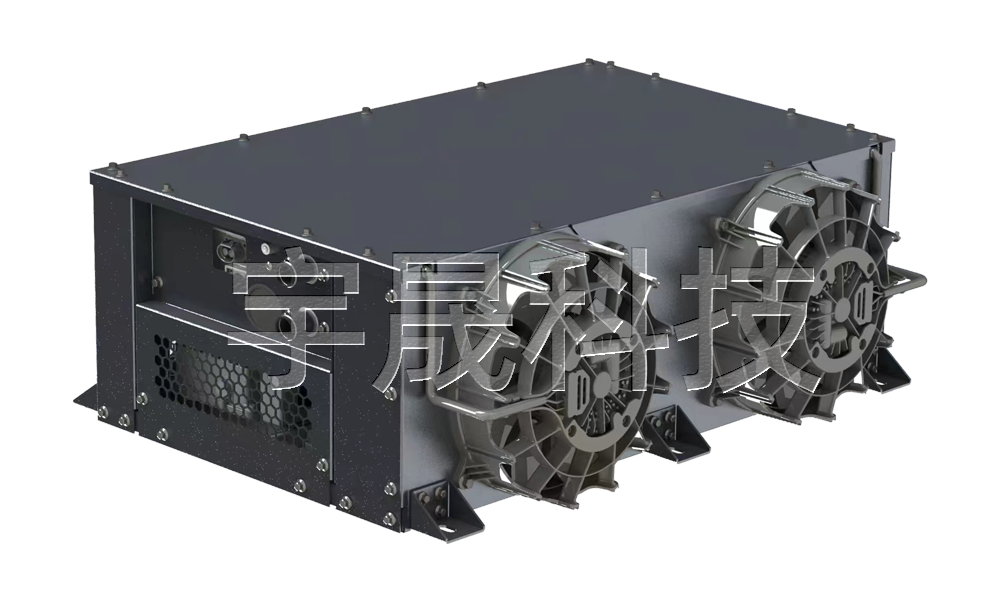
3. Phase-change material cooling technology: By leveraging the property of phase-change materials to absorb or release large amounts of latent heat during the phase transition, this technology enables temperature buffering and regulation. While offering advantages such as passive cooling, silent operation, and minimal space requirements, phase-change materials have relatively poor thermal conductivity, often necessitating integration with other cooling methods for optimal performance.
Optimization Strategies for Thermal Management Systems in Industrial and Commercial Energy Storage
1. System Integration Optimization
By deeply integrating the thermal management system with the energy storage system, we design personalized thermal management solutions tailored to the structure, power distribution, and operating conditions of the energy storage devices. Through simulation analysis and experimental validation, we optimize key parameters such as the layout of cooling channels and the distribution of coolant flow rates, enabling synergistic operation between the thermal and energy storage systems and ultimately enhancing overall efficiency.
2. Intelligent Control
By integrating IoT, big data, and artificial intelligence technologies, we achieve intelligent control of the thermal management system. By deploying equipment such as temperature sensors and flow sensors, we continuously monitor operational parameters of energy storage devices—including temperature and humidity—and upload this data to the cloud for analysis and processing. Leveraging AI algorithms, we can predict changes in the thermal load of the energy storage devices, automatically adjusting the operating status of cooling systems to ensure precise heat dissipation and significantly reduce energy consumption.
3. Multi-technology Integration
By leveraging the advantages of various thermal management technologies and adopting a multi-technology integration approach, we can enhance the overall performance of thermal management systems. For instance, combining liquid cooling with phase-change material cooling not only meets high heat dissipation demands but also improves the stability of temperature regulation. Similarly, integrating air cooling with thermoelectric refrigeration enables rapid cooling of localized hotspots in energy storage devices.
4. Material Innovation
Developing new high-performance thermal materials to enhance the heat dissipation capabilities of thermal management systems. At the same time, exploring innovative insulation and anti-corrosion materials to address issues such as leakage and corrosion in liquid-cooling systems, thereby improving the reliability and extending the service life of thermal management systems.
Application Cases of Thermal Management Systems for Industrial and Commercial Energy Storage
In practical applications, the optimization of thermal management systems for industrial and commercial energy storage has already yielded remarkable results. A large-scale industrial and commercial energy storage project recently completed in an industrial park adopted a combined thermal management solution that integrates liquid cooling with phase-change material cooling. Through optimized design, the project successfully maintained the operating temperature of the energy storage system within a range of 25°C ± 3°C, boosting battery charge-discharge efficiency by 8% and extending cycle life by 20%. As a result, the project effectively reduced its overall lifecycle costs.
Another data center has introduced an intelligent thermal management system to ensure the stable operation of its energy storage systems. By continuously monitoring the operational data of the energy storage equipment and leveraging AI algorithms, the system automatically adjusts the status of cooling devices, resulting in energy savings of more than 30% while significantly reducing manual maintenance costs.
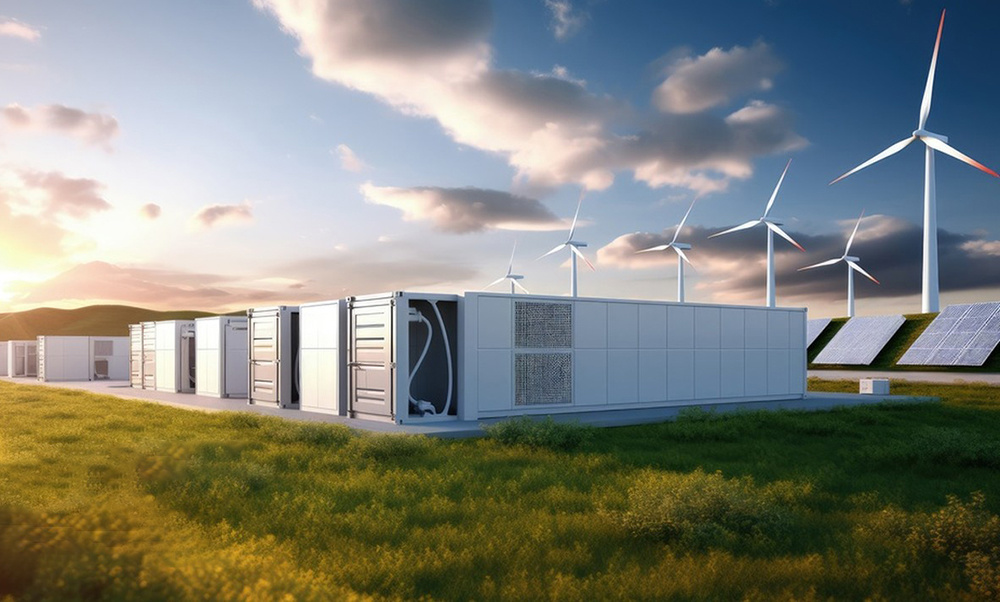
As the commercial and industrial energy storage market continues to expand, the demands on thermal management systems will also grow increasingly stringent. Looking ahead, thermal management systems for commercial and industrial energy storage are set to evolve toward greater efficiency, intelligence, integration, and sustainability. On one hand, continuous advancements in technology and material upgrades will enhance the heat dissipation efficiency and reliability of these systems. On the other hand, leveraging digital technologies will enable smart operations and maintenance, ultimately reducing operational costs. Moreover, thermal management systems will increasingly integrate with energy storage and energy management systems, delivering more efficient, safer, and cost-effective energy storage solutions tailored to the needs of commercial and industrial users—and helping organizations achieve their sustainable energy goals.
If you're planning or building commercial and industrial energy storage projects, Zhengzhou Yusheng's commercial and industrial energy storage thermal management system—specifically the energy storage battery liquid-cooling unit—is undoubtedly a reliable choice for you.
Latest News