

News Center
Blog
Low-Temperature Thermal Management System: The "Warmth Secret" Behind New-Energy, All-Electric Heavy-Duty Trucks
Release time:
2025-05-13
New-energy, pure-electric heavy-duty trucks are gradually becoming the new favorites in the freight industry. However, the harsh, sub-zero temperatures in northern regions have posed significant challenges to the widespread adoption of these vehicles. In this ongoing battle between market expansion of new-energy, pure-electric heavy-duty trucks in northern China and the challenges posed by low temperatures, a robust low-temperature thermal management system is poised to become the key enabler for unlocking greater market potential in the region.
New-energy, all-electric heavy-duty trucks are gradually becoming the new favorites in the freight industry. However, the harsh, sub-zero cold environments pose significant challenges, limiting the widespread adoption of these electric trucks in northern regions. In this ongoing battle between market expansion and extreme cold conditions for new-energy, all-electric heavy-duty trucks in northern China, a low-temperature thermal management system is poised to become the key factor enabling these vehicles to unlock greater market potential in the region.
Today, let’s dive deep into the significant differences between new-energy pure-electric heavy-duty trucks equipped with low-temperature thermal management systems and those without.
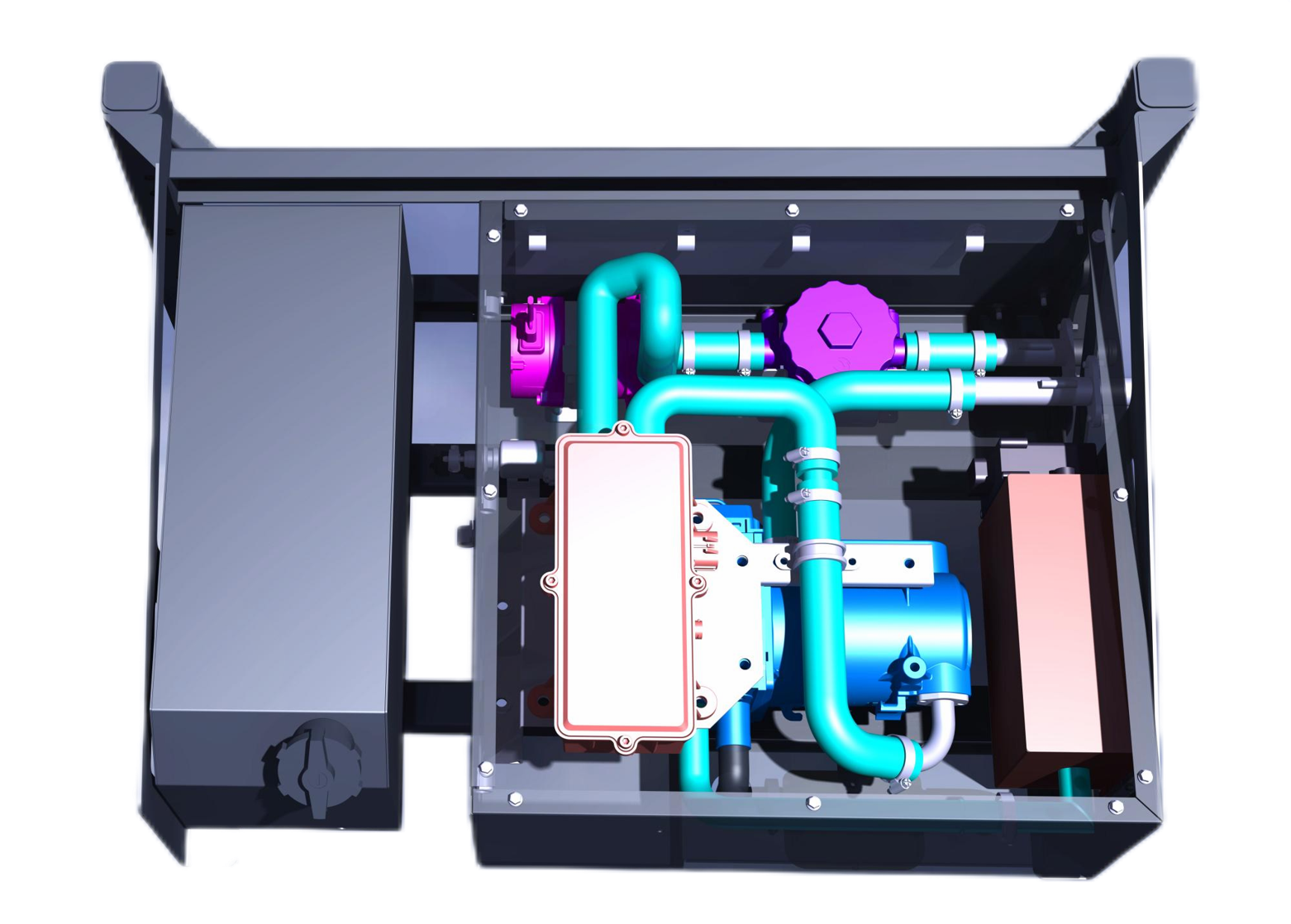
New-energy, all-electric heavy-duty trucks lack a complementary low-temperature thermal management system—adopting a survival-struggle "naked run" mode.
·Battery performance plummets significantly
Low temperatures will directly cause the battery capacity of new-energy, all-electric heavy-duty trucks to shrink: Trucks that could originally travel long distances on a full charge may see their range drop sharply by 30% or even more in cold weather. In northern, frigid regions, all-electric heavy-duty trucks without integrated low-temperature thermal management systems may achieve less than half the driving range they would under normal temperatures when fully charged, severely impacting transportation efficiency and operational planning.
Low temperatures will directly lead to extended charging times for all-electric heavy-duty trucks powered by new energy sources: what normally takes just a few hours to fully charge may require double that time—or even longer—in cold conditions. Additionally, during discharge, battery output power decreases, causing the heavy-duty truck to start more sluggishly and significantly reducing its performance in areas like hill climbing and acceleration. This can result in severe losses when transporting goods that demand strict adherence to delivery deadlines.
·The driving and riding experience is completely lacking in comfort.
Without a matching low-temperature thermal management system, pure electric heavy-duty trucks in frigid, sub-zero environments are essentially "iceboxes." The cab heats up slowly, and on cold winter days, drivers may have to wait endlessly after starting the vehicle before even noticing a hint of warmth. Just imagine: drivers working amidst icy, snowy conditions, their hands and feet already numb from the cold, yet still stuck waiting for the cab temperature to rise. This not only ruins their mood but also risks impairing their reaction time due to hypothermia, posing serious threats to driving safety.
Additionally, car windows are highly prone to fogging and frosting, severely impairing the driver's visibility. Traditional defrosting and demisting methods prove ineffective at low temperatures, forcing drivers to frequently wipe the glass manually—a practice that is extremely dangerous while driving, as it distracts attention from the road and significantly increases the risk of traffic accidents.
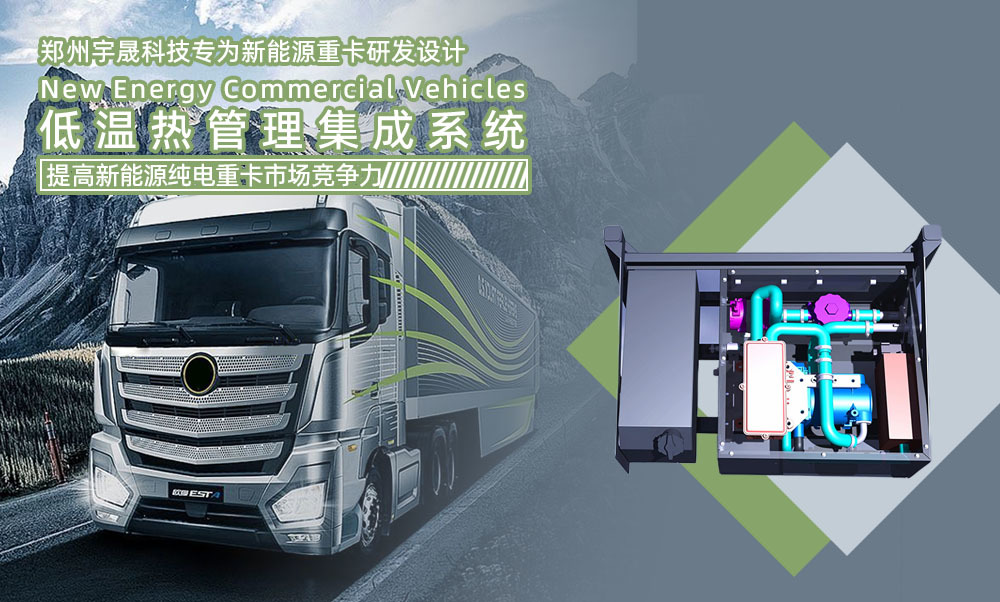
New-energy, all-electric heavy-duty trucks equipped with a low-temperature thermal management system: The "Intelligent Warming" mode effortlessly handles extreme cold conditions.
·Stable and Reliable Battery Performance Guaranteed
With the low-temperature thermal management system, the battery of a pure electric heavy-duty truck is like wearing a smart "thermal garment." Through heating and insulation measures, the battery temperature can be maintained within an optimal operating range. This effectively minimizes the impact of external cold temperatures on the battery, ensuring that capacity degradation in low-temperature conditions is significantly reduced, leading to more stable and reliable driving range.
In terms of charging, the low-temperature thermal management system can preheat the battery before charging, ensuring it enters an optimal state for accepting charge and significantly reducing charging time. Meanwhile, during discharge, it helps maintain stable battery output power, enabling heavy-duty trucks to start quickly, deliver robust acceleration and hill-climbing performance, and ultimately boosting transportation efficiency substantially.
·Creating a Comfortable Driving and Riding Environment
The low-temperature thermal management system can quickly raise the cab temperature, creating a warm and comfortable working environment for the driver. Once the driver gets into the vehicle, there’s no need to wait long—simply step in and instantly escape the cold, allowing them to fully focus on driving.
Moreover, the low-temperature thermal management system can effectively address the issue of window fogging and frost formation, quickly clearing away both fog and frost from the windows to ensure drivers always maintain clear visibility—and, in turn, enhance driving safety.
·Extend the vehicle's service life
The low-temperature thermal management system provides excellent protection for vehicle components. It ensures that components such as the motor and electronic control units operate at optimal temperatures, reducing unnecessary energy losses caused by excessively high or low temperatures. This, in turn, enhances the overall reliability and durability of the vehicle, minimizes downtime due to component failures, and ultimately helps operators achieve greater economic benefits.
Chery Lingmi Light Truck Northern Version Equipped with Low-Temperature Thermal Management System
Latest News